
Chemical peels are an excellent treatment to reveal, maintain, and restore your skin’s health and youthful appearance. A chemical peel is a technique used to improve the appearance of the skin on the face, neck, or hands. A chemical solution is applied to the skin that causes it to exfoliate and eventually peel off. The new, regenerated skin is usually smoother and less wrinkled than the old skin.
There are different types of chemical peels, ranging from mild to deep. Superficial or light chemical peels are used to treat mild acne or uneven skin tone, or just to brighten up your skin. They most commonly contain glycolic or salicylic acid. Medium-depth peels are used to treat acne scars, deeper wrinkles, and uneven skin tone. They usually contain trichloroacetic acid (TCA). Deep peels are used to treat severe wrinkles, sun damage, and precancerous growths. They usually contain phenol.
It is important to note that chemical peels should always be performed by a qualified professional. A dermatologist or aesthetician can evaluate your skin type and recommend the appropriate peel for your skin concerns. It is also important to follow the aftercare instructions carefully to ensure proper healing and avoid complications.
Benefits of Chemical Peels
Chemical peels are a cosmetic procedure that can help reduce the signs of aging and improve the overall appearance of the skin. They work by applying a chemical solution to the skin, which causes the outer layers to peel away, revealing smoother, brighter, and younger-looking skin. Here are some of the benefits of chemical peels:
Acne and Acne Scars
Chemical peels are effective in reducing acne and acne scars. They work by removing the outer layers of the skin, which can help unclog pores and reduce the appearance of acne. They can also help reduce the appearance of acne scars by stimulating collagen production, which can help improve the texture of the skin.
Wrinkles and Fine Lines
Chemical peels can also help reduce the appearance of wrinkles and fine lines. They work by removing the outer layers of the skin, which can help stimulate collagen production and improve the skin’s texture. This can help reduce the appearance of wrinkles and fine lines, leaving the skin looking smoother and more youthful.
Pigmentation Issues
Chemical peels can also help reduce the appearance of pigmentation issues such as age spots, sun damage, and melasma. They work by removing the outer layers of the skin, which can help reduce the appearance of pigmentation issues and improve the overall texture and tone of the skin.
Skin Texture and Tone
Chemical peels can help improve the overall texture and tone of the skin. They work by removing the outer layers of the skin, which can help stimulate collagen production and improve the skin’s texture. This can help reduce the appearance of fine lines, wrinkles, and pigmentation issues, leaving the skin looking smoother and more youthful.
Overall, chemical peels can be an effective cosmetic procedure for improving the overall appearance of the skin. They can help reduce the appearance of acne, wrinkles, fine lines, and pigmentation issues, and improve the texture and tone of the skin. However, it’s important to consult with a dermatologist before undergoing a chemical peel to ensure that it’s the right procedure for you.
Side Effects and Risks
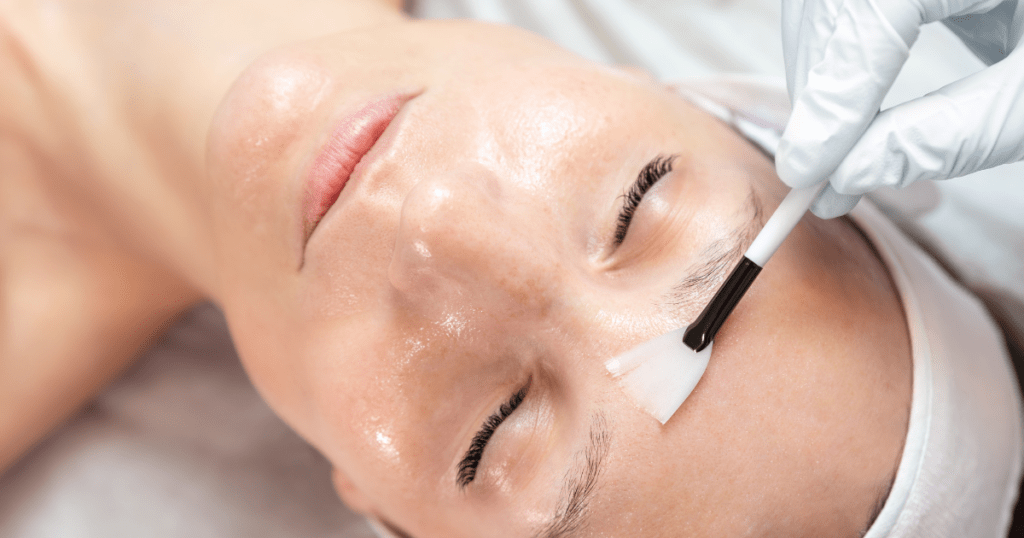
Chemical peels are generally safe when performed by a qualified and experienced professional, but they do carry some risks. It is important to understand the potential side effects and risks before deciding to undergo this treatment.
One of the most common side effects of a chemical peel is redness. The skin may appear red and feel sensitive for several days after the treatment. Additionally, the skin may become dry and flaky, which can last up to a week. It is important to keep the skin moisturized during this time to prevent further dryness and irritation.
Swelling is another possible side effect of a chemical peel. This is more common with deeper peels and can last for several days. In some cases, the swelling may be accompanied by bruising. Applying ice packs to the treated area can help reduce swelling.
Irritation is also a potential side effect of a chemical peel. This can manifest as itching, burning, or stinging sensations. In some cases, the skin may become infected. It is important to keep the treated area clean and follow all post-treatment instructions to minimize the risk of infection.
Overall, the risks associated with chemical peels are relatively low. However, it is important to discuss any concerns with a qualified professional before undergoing the treatment. They can provide more information about the potential side effects and risks, as well as answer any questions you may have.
Aftercare and Maintenance
After a chemical peel, proper aftercare is crucial to ensuring the best possible results. Here are some tips to keep in mind:
Peeling
Peeling is a common side effect of chemical peels. It is important to avoid picking or pulling at the skin, as this can lead to scarring or infection. Instead, gently cleanse the skin with a mild cleanser and apply a moisturizer to help soothe and hydrate the skin. It is also important to avoid using any harsh exfoliants or scrubs during the peeling process.
Moisturizer
After a chemical peel, the skin may be dry and flaky. It is important to use a moisturizer to help hydrate and soothe the skin. Look for a moisturizer that is specifically formulated for post-peel use, as these products are designed to be gentle and non-irritating. It is also important to avoid using any products that contain harsh chemicals or fragrances, as these can further irritate the skin.
Sun Damage
After a chemical peel, the skin is more sensitive to the sun. Avoiding prolonged sun exposure and using a broad-spectrum sunscreen with an SPF of at least 30 is important. Sunscreen should be applied every two hours, or more frequently if swimming or sweating. Wearing a hat and protective clothing can also help to protect the skin from sun damage.
Downtime
Depending on the type of chemical peel, there may be some downtime associated with the procedure. It is important to follow the aftercare instructions provided by your skincare professional, as these will help to minimize downtime and ensure the best possible results. During the downtime, it is important to avoid strenuous exercise and to rest as much as possible.
Recovery
After a chemical peel, the skin will need time to recover. It is important to avoid using any harsh products or treatments during this time, as these can further irritate the skin. Instead, focus on gentle cleansing and hydration to help soothe and nourish the skin. It is also important to avoid picking or pulling at the skin, as this can lead to scarring or infection.
By following these tips, you can help to ensure the best possible results from your chemical peel. Remember to be patient and gentle with your skin during the recovery process, and always consult with your skincare professional if you have any questions or concerns.
Choosing the Right Peel
Chemical peels come in different types and strengths, making it essential to choose the right one for your skin type and concerns. Before selecting a chemical peel, it’s crucial to understand the different types and their effects on the skin.
Types of Chemical Peels
Superficial Peels
Superficial peels are the mildest type of chemical peel, and they only affect the epidermis, which is the outermost layer of the skin. They are suitable for treating mild acne, uneven skin tone, and fine lines and wrinkles. Superficial peels typically contain glycolic or salicylic acid, which remove dead skin cells and unclog pores.
Medium Peels
Medium peels penetrate deeper into the skin than superficial peels, reaching the upper layers of the dermis. They are suitable for treating moderate acne, age spots, and fine lines and wrinkles. Medium peels typically contain trichloroacetic acid (TCA) or glycolic acid, which remove damaged skin cells and stimulate collagen production.
Deep Peels
Deep peels are the strongest type of chemical peel, and they penetrate the deepest layers of the skin. They are suitable for treating severe acne, deep wrinkles, and sun damage. Deep peels typically contain phenol, which removes damaged skin cells and stimulates collagen production.
Choosing the Right Peel for Your Skin Type
When choosing a chemical peel, it’s essential to consider your skin type and concerns. People with sensitive skin should avoid deep peels, as they can cause irritation and scarring. Those with oily skin should opt for superficial or medium peels to unclog pores and reduce oiliness.
It’s also crucial to consider the severity of your skin concerns. Superficial peels are suitable for mild skin concerns, while medium and deep peels are more effective for moderate to severe skin concerns.
In conclusion, choosing the right chemical peel requires an understanding of the different types and their effects on the skin. By considering your skin type and concerns, you can select the appropriate peel for your needs and achieve the desired results.
Anew Laser
Experience the rejuvenating power of chemical peels at Anew Laser! Our specially formulated peels are tailored to revitalize your skin, unveiling a fresh and radiant complexion. Say goodbye to dullness and hello to a youthful glow as our expert team administers these transformative treatments. Trust Anew Laser to reveal your skin’s natural beauty with our professional chemical peel services. Schedule your appointment today and discover the radiant skin you deserve!