IV therapy is a medical procedure that delivers fluids, medication, vitamins, or nutrients directly into a vein. It is a common practice in hospital settings and independent clinics and is used to treat a variety of conditions, including dehydration, malnutrition, cancer, infections, and more. Intravenous therapy (abbreviated as IV therapy) is a medical technique that administers fluids, medications, and nutrients directly into a person’s vein.
IV therapy can be administered in various forms, including an IV drip or an injection. The fluid containing vitamins, medications, or minerals is delivered via an IV drip or an injection into the veins, allowing the therapy to move faster through the bloodstream. The procedure is performed by a trained healthcare professional who inserts a thin needle or catheter into a vein in the arm or hand.
While IV therapy can provide numerous benefits, there are also some risks associated with the procedure. Complications can occur, including infection at the insertion site, fluid overload, or electrolyte imbalances. It is important to discuss the potential risks and benefits of IV therapy with a healthcare provider before undergoing the procedure. Overall, IV therapy is a valuable medical technique that can help treat a variety of conditions and improve overall health and well-being.
Basics of IV Therapy
IV therapy, also known as intravenous therapy, is a medical technique that involves administering fluids, medication, blood, or nutrients directly into the bloodstream through a vein. IV therapy is a common intervention in nursing practice and is useful for rapidly addressing symptoms and restoring hemostasis. Although it is an invasive skill and requires diligent safety practices to prevent and address complications, it benefits treatment by enabling water, medication, blood, or nutrients to access the body faster through the bloodstream.
IV therapy can be used to treat many different medical conditions, including dehydration, electrolyte imbalances, and nutrient deficiencies. It is also used to administer medication, chemotherapy, and blood transfusions. The procedure involves inserting a needle or catheter (tube) into a vein, which is then attached to an IV line. The IV line is connected to an IV bag, which contains the fluids or medication to be administered.
The IV bag is usually hung from a pole or stand, and the fluids or medication are infused into the bloodstream through the IV line. The rate of infusion is controlled by a healthcare provider, who adjusts the flow rate according to the patient’s needs. The IV line is typically made of a plastic tube that is inserted into the vein and secured in place with tape or a dressing.
IV therapy is usually administered by a nurse or other healthcare provider who has been trained in the technique. The nurse will monitor the patient’s vital signs and watch for any signs of complications, such as infection, bleeding, or infiltration. In some cases, IV therapy may be administered through a port, which is a small device implanted under the skin that allows for easy access to the bloodstream.
IV therapy can be used to administer a variety of fluids, including saline, dextrose, and electrolyte solutions. It can also be used to administer vitamins, minerals, and other nutrients through a process known as IV vitamin therapy. IV therapy is a safe and effective way to provide hydration, nutrients, and medication to patients who need it.
Types of IV Therapy
IV therapy is a way of delivering fluids, medications, and nutrients directly into the bloodstream through a vein. There are various types of IV therapy available, each with its purpose and benefits. Here are some of the most common types of IV therapy:
Medication IV Therapy
Medication IV therapy is used to deliver medications directly into the bloodstream, bypassing the digestive system. This method is beneficial for patients who cannot take medications orally or who require immediate relief from their symptoms. Medication IV therapy is commonly used for pain management, antibiotic therapy, and chemotherapy.
Nutrition IV Therapy
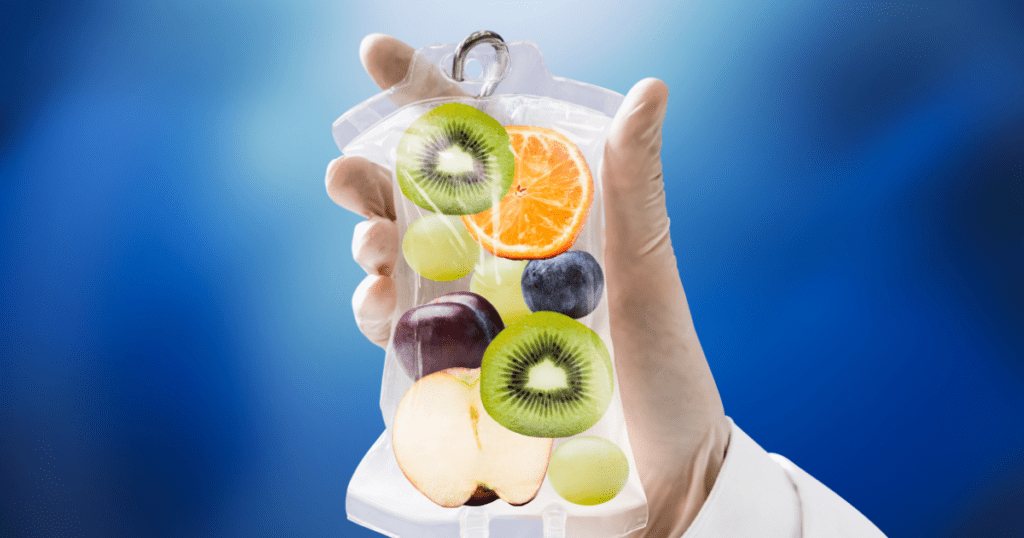
Nutrition IV therapy is used to deliver nutrients, such as vitamins, minerals, and amino acids, directly into the bloodstream. This method is particularly useful for patients who cannot absorb nutrients through their digestive system or who require higher doses of nutrients than they can get through their diet. Nutrition IV therapy is commonly used for total parenteral nutrition, Myers cocktail, and vitamin therapy.
Blood Transfusion
Blood transfusion is a type of IV therapy that involves transferring blood or blood products from one person to another. This method is used to replace blood lost due to injury or surgery or to treat conditions such as anemia or hemophilia.
Chemotherapy
Chemotherapy is a type of IV therapy that involves delivering anticancer drugs directly into the bloodstream. This method is used to treat various types of cancer, including leukemia, lymphoma, and breast cancer.
In conclusion, IV therapy is a valuable tool for delivering fluids, medications, and nutrients directly into the bloodstream. Various types of IV therapy are available, each with its purpose and benefits. The choice of IV therapy depends on the patient’s condition and needs and should be determined by a qualified healthcare professional.
Benefits and Applications
IV therapy is a medical treatment that delivers fluids, medications, and nutrients directly into the bloodstream through an intravenous line. This method of administration offers several benefits and applications that can help improve overall health and well-being.
One of the main benefits of IV therapy is its ability to provide quick and effective pain relief. This is particularly useful for individuals suffering from chronic pain conditions, such as migraines, fibromyalgia, and arthritis. By delivering pain medication directly into the bloodstream, IV therapy can provide faster and more targeted pain relief compared to oral medications.
IV therapy is also commonly used for recovery and rehydration. Athletes, in particular, can benefit from this treatment as it can help speed up recovery time after intense physical activity. IV therapy can also help replenish fluids lost due to dehydration, which can occur as a result of illness, excessive sweating, or alcohol consumption.
In addition to pain relief and rehydration, IV therapy can provide immune support. By delivering vitamins, minerals, and other nutrients directly into the bloodstream, IV therapy can help boost the immune system and promote overall health. This is particularly useful for individuals who are at risk of vitamin deficiencies, such as those with malabsorption disorders or restrictive diets.
Overall, IV therapy offers a range of benefits and applications that can help improve health and well-being. Whether you’re looking to manage pain, speed up recovery, or boost your immune system, IV therapy may be a suitable treatment option for you.
Regulatory and Safety Considerations
When it comes to IV therapy, regulatory and safety considerations are of utmost importance. Healthcare providers, hospitals, and infusion centers must comply with regulations and ensure that safety protocols are in place to prevent adverse events.
The AAMI Foundation’s National Coalition for Infusion Therapy Safety has launched a campaign to promote the adoption of specific safety practices in four critical areas of infusion therapy. One of those areas is the safe implementation of multiple IV infusions.
Healthcare providers must ensure that their staff is trained and equipped to administer IVs in specific settings. Supplies, risks, and protocols might change depending on the setting, and staff must be aware of these changes to ensure patient safety.
In addition to compliance with regulations, healthcare providers must also be aware of the potential complications associated with IV therapy. Intravenous therapy is a treatment that infuses intravenous solutions, medications, blood, or blood products directly into a vein, and it can cause complications such as phlebitis, infiltration, and extravasation.
To ensure patient safety, healthcare providers must have protocols in place to prevent these complications. This includes regular monitoring of IV sites, use of appropriate catheters and infusion sets, and proper documentation of IV therapy.
Overall, healthcare providers, hospitals, and infusion centers must prioritize regulatory compliance and safety considerations when administering IV therapy to ensure the best possible outcomes for their patients.
Anew Laser
Discover the transformative benefits of IV therapy and unlock a new level of wellness at Anew Laser! Our IV therapy sessions are designed to provide a potent blend of essential vitamins, minerals, and antioxidants directly into your bloodstream, offering rapid and efficient absorption for maximum impact. Whether you’re seeking a boost in energy, immune support, hydration, or recovery from a busy lifestyle, our customized IV treatments cater to your specific needs. With a focus on safety and professional care, our experienced team ensures a comfortable and rejuvenating experience. Explore the world of IV therapy with Anew Laser and elevate your well-being to new heights. Schedule your session today and experience the revitalizing benefits of IV therapy firsthand!