
Chemical peels have become increasingly popular in recent years as a way to achieve younger-looking skin. A chemical peel is a cosmetic treatment that involves applying a solution to the skin that causes it to exfoliate and eventually peel off. This process removes dead skin cells and stimulates the growth of new, healthier skin.
Chemical peels can be used to treat a variety of skin concerns, including fine lines, wrinkles, age spots, and uneven skin tone. They are particularly effective for anti-aging because they can help reduce the appearance of fine lines and wrinkles, improve skin texture and tone, and promote collagen production. However, it is important to note that chemical peels are not a one-time solution and require regular treatments to maintain their benefits.
Chemical peels come in different strengths, from mild to deep, and can be customized to meet the specific needs of each individual. A dermatologist or skincare professional can recommend the best type of chemical peel based on the patient’s skin type and concerns. It is also important to follow proper aftercare instructions to ensure the best results and avoid any potential side effects. Overall, chemical peels can be a safe and effective way to achieve younger-looking skin and combat the signs of aging.
Understanding Chemical Peels
Chemical peels are a popular cosmetic treatment that can help to reduce the signs of aging. They work by removing the outer layer of skin, which can improve the appearance of fine lines, wrinkles, and other imperfections. There are several different types of chemical peels, each with its own set of benefits and drawbacks.
Types of Chemical Peels
There are three main types of chemical peels: superficial, medium, and deep. Superficial peels are the mildest type and are often used to treat minor skin imperfections. Medium peels are stronger and can be used to treat more severe imperfections, while deep peels are the strongest and are used to treat deep wrinkles and other significant imperfections.
The type of chemical peel that is best for a particular individual will depend on their skin type, the severity of their imperfections, and other factors. It is important to consult with a dermatologist or other qualified healthcare professional to determine which type of peel is right for you.
How Chemical Peels Work
Chemical peels work by applying a chemical solution to the skin, which causes the outer layer of the skin to peel off. This process exposes the underlying layer of skin, which is typically smoother and more youthful-looking. The chemical solution used in a chemical peel can vary depending on the type of peel being performed.
Some common types of acids used in chemical peels include alpha-hydroxy acids (AHAs), beta-hydroxy acids (BHAs), glycolic acid, lactic acid, and salicylic acid. Each of these acids has its unique properties and benefits, and the type of acid used will depend on the individual’s skin type and the severity of their imperfections.
Overall, chemical peels are a safe and effective way to reduce the signs of aging and improve the appearance of the skin. However, it is important to consult with a qualified healthcare professional to determine which type of peel is right for you and to ensure that the procedure is performed safely and effectively.
Suitability and Skin Types
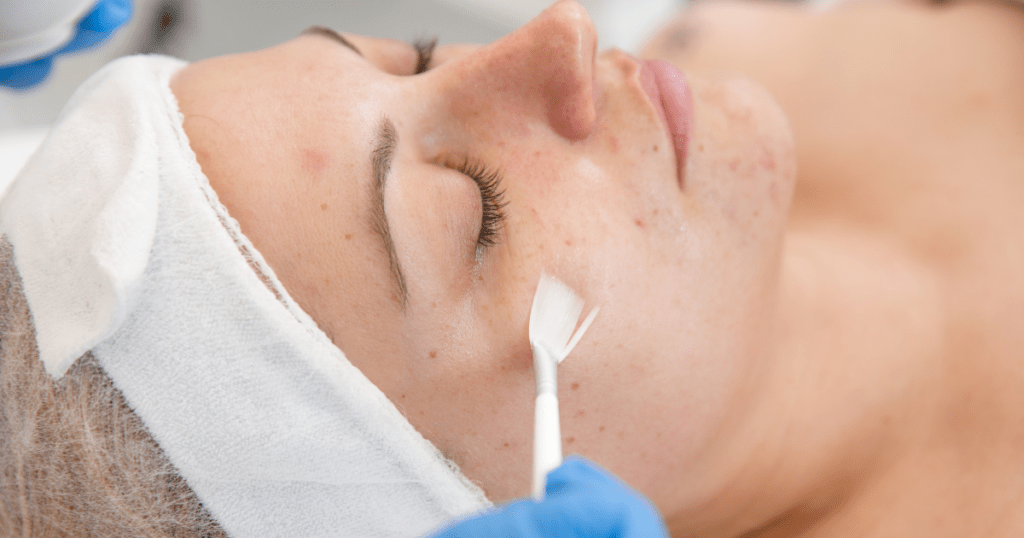
Chemical peels are a popular and effective way to reduce the signs of aging, but not all peels are suitable for every skin type. Identifying your skin type before deciding on a chemical peel is important.
Identifying Your Skin Type
There are five main skin types: normal, oily, dry, combination, and sensitive. Normal skin has a balanced level of moisture and oil, while oily skin produces excess oil. Dry skin lacks moisture, and combination skin has both dry and oily areas. Sensitive skin is easily irritated and may react to certain products.
Chemical Peels for Sensitive Skin
Sensitive skin requires special care when it comes to chemical peels. It is important to choose a peel that is gentle and does not contain harsh chemicals. A lactic acid peel is a good option for sensitive skin, as it is mild and helps to exfoliate and hydrate the skin.
Chemical Peels for Acne-Prone Skin
Acne-prone skin can benefit from chemical peels, but it is important to choose the right type of peel. Salicylic acid peels are a good option for acne-prone skin, as they help to unclog pores and reduce inflammation. Glycolic acid peels can also be effective, as they help to exfoliate and reduce the appearance of acne scars.
In conclusion, identifying your skin type is an important first step in choosing the right chemical peel for anti-aging. Sensitive skin requires a gentle peel, while acne-prone skin can benefit from a peel that helps to unclog pores and reduce inflammation. With the right peel, you can achieve smoother, younger-looking skin.
Pre-Treatment Considerations
Before undergoing a chemical peel for anti-aging, several pre-treatment considerations should be taken into account. These considerations can help ensure the safety and effectiveness of the procedure.
Consultation with a Dermatologist
It is recommended to consult with a dermatologist before undergoing a chemical peel. A dermatologist can assess the patient’s skin type, condition, and suitability for the procedure. They can also recommend the appropriate type of chemical peel and depth of penetration to achieve the desired results.
Cleansing and Exfoliation
Before the chemical peel, the patient should cleanse their skin thoroughly to remove any makeup, oil, or dirt. This can help ensure that the chemical peel penetrates the skin evenly and effectively. Exfoliation of the skin can also be beneficial before the chemical peel to remove dead skin cells and improve the overall texture of the skin.
Sunscreen
It is important to protect the skin from the sun’s harmful UV rays before and after a chemical peel. Sunscreen with a high SPF should be used daily to prevent sun damage and promote healing. Patients should avoid direct sun exposure for several weeks following the procedure.
In conclusion, pre-treatment considerations are an important aspect of ensuring the safety and effectiveness of a chemical peel for anti-aging. Consulting with a dermatologist, cleansing and exfoliating the skin, and using sunscreen are all important steps to take before undergoing the procedure.
Addressing Specific Concerns
Chemical peels are an effective way to address specific skin concerns, including wrinkles, fine lines, hyperpigmentation, scars, acne scars, dark spots, and melasma. In this section, we will explore the different types of chemical peels that can address these concerns.
Chemical Peels for Wrinkles
Chemical peels can be used to reduce the appearance of wrinkles and fine lines. Alpha-hydroxy acids (AHAs) and beta-hydroxy acids (BHAs) are commonly used in chemical peels for this purpose. AHAs, such as glycolic acid and lactic acid, work by exfoliating the top layer of skin, which can help reduce the appearance of wrinkles. BHAs, such as salicylic acid, can penetrate deeper into the skin and help stimulate collagen production, which can also reduce the appearance of wrinkles.
Chemical Peels for Hyperpigmentation
Hyperpigmentation is a common skin concern that can be caused by sun damage, hormonal changes, and other factors. Chemical peels can be used to reduce the appearance of hyperpigmentation by exfoliating the top layer of skin and promoting the growth of new, healthy skin cells. Chemical peels that contain glycolic acid, lactic acid, or trichloroacetic acid (TCA) are often used for this purpose.
Chemical Peels for Scars and Acne Scars
Chemical peels can also be used to reduce the appearance of scars and acne scars. TCA peels are commonly used for this purpose, as they can penetrate deeper into the skin and promote collagen production, which can help reduce the appearance of scars. Chemical peels that contain salicylic acid can also be effective in reducing the appearance of acne scars, as they can exfoliate the top layer of skin and promote the growth of new, healthy skin cells.
Overall, chemical peels can be an effective way to address specific skin concerns, including wrinkles, hyperpigmentation, and scars. However, it is important to consult with a dermatologist or skincare professional to determine the best type of chemical peel for your individual needs and skin type.
Potential Side Effects and Risks
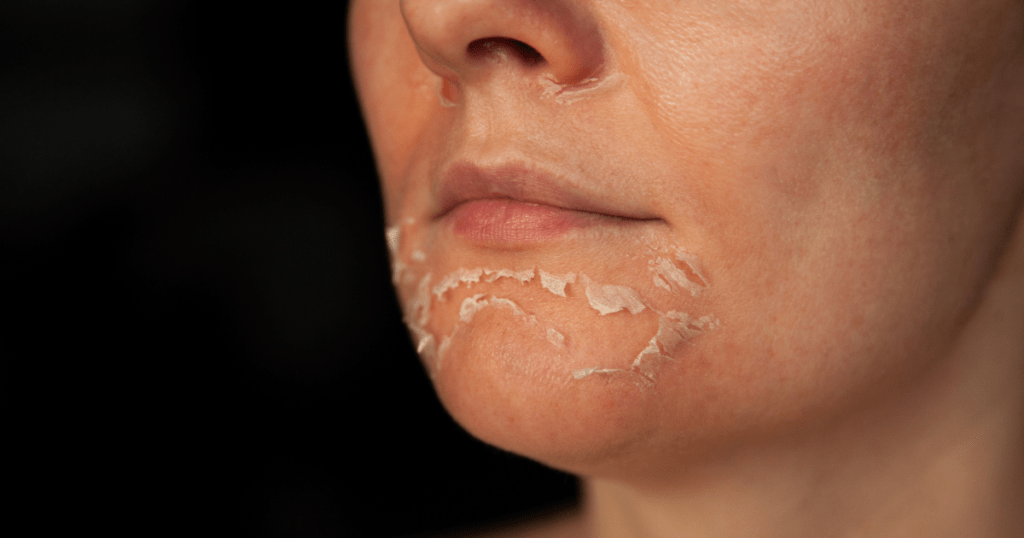
Chemical peels are a popular anti-aging treatment that can help improve the appearance of fine lines, wrinkles, and hyperpigmentation. However, like any medical procedure, chemical peels have potential side effects and risks. It is important to understand these risks before deciding to undergo a chemical peel treatment.
When to Contact a Professional
If you experience any of the following side effects after a chemical peel treatment, it is important to contact a medical professional immediately:
- Excessive redness or swelling
- Severe pain or discomfort
- Signs of infection, such as oozing, crusting, or pus
- Cold sores or fever blisters
Potential Side Effects
Chemical peels can cause various side effects, including:
- Redness: Normal healing from a chemical peel involves redness of the treated skin. After a medium or deep chemical peel, redness might last for a few months.
- Peeling: The treated skin may peel or flake off after a chemical peel. This is a normal part of the healing process.
- Inflammation: The treated skin may become inflamed or swollen after a chemical peel. This is also normal and should subside within a few days.
- Pain: Mild discomfort is common after a chemical peel, but severe pain is not normal and should be reported to a medical professional.
- Cold sores: Chemical peels can trigger cold sores or fever blisters in people who are prone to these conditions.
Anew Laser
Anew Laser offers a comprehensive range of skincare treatments, including chemical peels, to help you achieve radiant and rejuvenated skin. Our experienced professionals utilize the latest techniques and top-quality products to provide safe and effective chemical peel treatments tailored to your specific needs.
Whether you’re looking to address acne, fine lines, or uneven skin tone, our chemical peels can help reveal smoother, more youthful-looking skin. Trust Anew Laser to revitalize your skin and enhance your natural beauty with our exceptional chemical peel services. Experience the transformative power of our chemical peel treatments at Anew Laser today and uncover the radiant skin you deserve! Contact us today for any questions or to book an appointment!
Conclusion
Chemical peels are a popular anti-aging treatment that can help reduce the appearance of fine lines, wrinkles, and hyperpigmentation. They work by removing the outer layer of damaged skin to reveal smoother, brighter, and more youthful-looking skin underneath.
While chemical peels are generally safe and effective, it’s important to choose a qualified and experienced provider to ensure the best possible results. Patients should also be aware that chemical peels can cause some temporary side effects, such as redness, peeling, and sensitivity to sunlight.
Overall, chemical peels can be a great option for those looking to rejuvenate their skin and combat the signs of aging. With the right provider and proper aftercare, patients can achieve smoother, more radiant skin that looks and feels younger.