Non-surgical liposuction and fat transfer are becoming increasingly popular options for those looking to achieve their dream body without undergoing invasive surgery. These procedures offer a less risky and less painful alternative to traditional liposuction, with shorter recovery times and fewer side effects.
Non-surgical liposuction, also known as non-invasive fat reduction, uses techniques such as cryolipolysis, radiofrequency lipolysis, and laser lipolysis to target and destroy fat cells. These procedures can be effective on small to medium-sized areas of fat, such as the abdomen, flanks, back, and inner and outer thighs. While non-surgical liposuction may not offer the same dramatic results as traditional liposuction, it can still provide noticeable improvements in body contour and help patients achieve their desired look.
Fat transfer, also known as fat grafting or lipofilling, is another non-surgical option for body contouring. This procedure involves removing fat from one area of the body, such as the abdomen or thighs, and transferring it to another area, such as the breasts or buttocks. Fat transfer can provide natural-looking and long-lasting results, without the risks and recovery time associated with surgical procedures such as breast augmentation or Brazilian butt lift.
Understanding Non-Surgical Liposuction
Non-surgical liposuction, also known as noninvasive fat reduction, is a cosmetic procedure that helps to get rid of unwanted fat without surgery. This procedure is a great alternative to traditional surgical liposuction for those who want to avoid the risks and downtime associated with surgery. Non-surgical liposuction is a less invasive option that uses various techniques to break down and eliminate fat cells from the body.
There are several types of non-surgical liposuction procedures available, including laser-assisted liposuction, cryolipolysis, and radiofrequency lipolysis. Each of these techniques uses different methods to target and eliminate fat cells from the body. Laser-assisted liposuction uses laser energy to break down fat cells, while cryolipolysis uses freezing temperatures to destroy fat cells. Radiofrequency lipolysis uses heat energy to melt away fat cells.
One of the most popular non-surgical liposuction procedures is cryolipolysis, also known as CoolSculpting. This procedure uses a device that applies controlled cooling to targeted areas of the body to freeze and destroy fat cells. Once the fat cells are destroyed, they are naturally eliminated from the body over time.
Another popular non-surgical liposuction procedure is laser lipolysis, also known as SculpSure. This procedure uses laser energy to heat up and destroy fat cells. The destroyed fat cells are then naturally eliminated from the body.
Non-surgical liposuction is a great option for those who want to achieve a slimmer and more toned body without surgery. However, it is important to note that the results of non-surgical liposuction are not as dramatic as those of surgical liposuction. Non-surgical liposuction is best suited for those who have small areas of stubborn fat that are resistant to diet and exercise.
Overall, non-surgical liposuction is a safe and effective way to get rid of unwanted fat without surgery. However, it is important to consult with a qualified and experienced cosmetic surgeon to determine if non-surgical liposuction is the right option for you.
The Process of Non-Surgical Liposuction
Non-surgical liposuction is a minimally invasive procedure that uses various technologies to eliminate excess fat cells from the body. The procedure is typically performed by a licensed and experienced provider in a clinic setting.
There are several technologies used in non-surgical liposuction, including cooling, heat, ultrasound, and radiofrequency energy. Each technology works differently to break down and eliminate fat cells. For example, cooling technology freezes fat cells, while heat technology uses heat to destroy fat cells. Ultrasound technology uses sound waves to break down fat cells, and radiofrequency energy uses heat to destroy fat cells.
The non-surgical liposuction procedure typically involves the following steps:
- Consultation: The provider will meet with the patient to discuss their goals and determine if they are a good candidate for the procedure.
- Preparation: The provider will prepare the treatment area by applying a gel or cream to the skin.
- Treatment: The provider will use the chosen technology to target and eliminate fat cells in the treatment area. The treatment typically takes between 30 minutes to an hour, depending on the size of the treatment area.
- Recovery: There is little to no recovery time needed after non-surgical liposuction. Patients can typically resume their normal activities immediately after the procedure.
- Results: Results from non-surgical liposuction are typically seen within a few weeks to a few months after the procedure. Multiple treatments may be needed to achieve the desired results.
Overall, non-surgical liposuction is a safe and effective way to eliminate excess fat cells from the body. It is important to choose a reputable provider and clinic to ensure the best possible results.
Areas That Can Be Treated
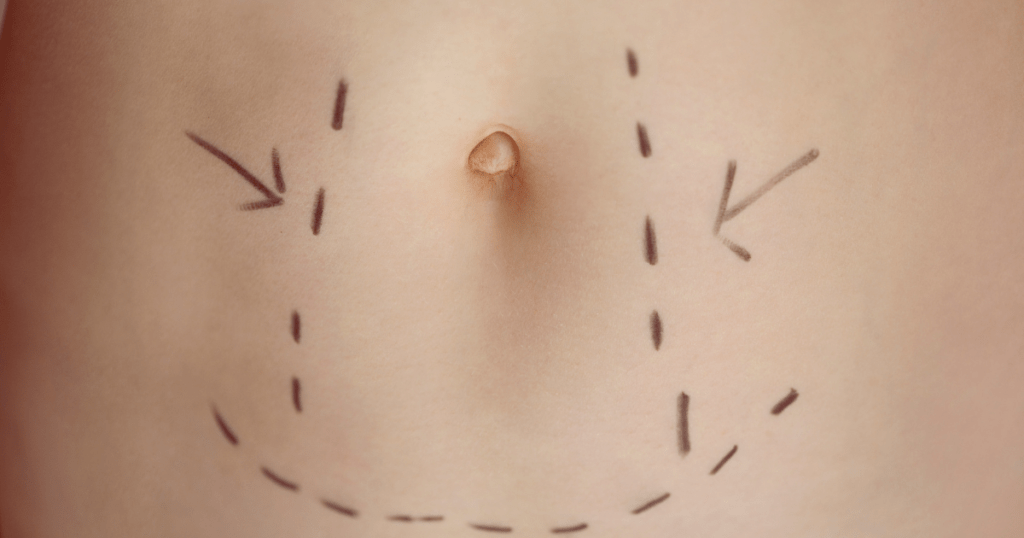
Non-surgical liposuction and fat transfer are popular cosmetic procedures that can help individuals achieve their dream bodies. These treatments target specific areas of the body where stubborn fat deposits tend to accumulate, resulting in a sleeker and more toned appearance.
One of the most common areas that can be treated is the abdomen. Non-surgical liposuction and fat transfer can help to remove excess fat from the midsection, resulting in a flatter and more toned stomach.
The thighs are another area that can be treated with non-surgical liposuction and fat transfer. This treatment can help to reduce the appearance of cellulite and contour the thighs for a more sculpted look.
Back fat is another common area that can be treated with non-surgical liposuction and fat transfer. This treatment can help to remove excess fat from the upper and lower back, resulting in a more defined and toned appearance.
Non-surgical liposuction and fat transfer can also be used to contour the buttocks and hips. This treatment can help to lift and shape the buttocks and hips for a more youthful and attractive appearance.
The upper arms are another area that can be treated with non-surgical liposuction and fat transfer. This treatment can help to remove excess fat from the upper arms, resulting in a more toned and defined appearance.
Other areas that can be treated with non-surgical liposuction and fat transfer include the neck, chin, outer thighs, flanks, and belly. These treatments can help to remove excess fat from these areas, resulting in a more toned and defined appearance.
Overall, non-surgical liposuction and fat transfer can be an effective way to achieve a more toned and defined body. By targeting specific areas of the body where stubborn fat deposits tend to accumulate, these treatments can help individuals achieve their dream body without the need for invasive surgery.
Non-Surgical Fat Transfer Process
Non-surgical fat transfer is a cosmetic procedure that involves removing excess fat from one part of the body and transferring it to another area of the body that requires more volume. This procedure is also known as fat grafting or fat injections. It is a popular alternative to surgical liposuction, as it is minimally invasive and has a shorter recovery time.
The non-surgical fat transfer procedure involves three main steps. First, the surgeon will identify the areas of the body that have excess fat that can be removed. This fat is usually taken from the abdomen, hips, thighs, or buttocks. The surgeon will then use a cannula to remove the fat from the donor site. The fat is then purified to remove any impurities and excess fluids.
The second step involves injecting the purified fat into the recipient site. The recipient site can be any part of the body that requires more volume, such as the face, breasts, or buttocks. The surgeon will use a small needle to inject the fat into the recipient site. The amount of fat injected will depend on the desired results and the amount of fat available for transfer.
The third and final step involves monitoring the patient’s recovery. The patient may experience some swelling, bruising, or discomfort at the donor and recipient sites. The surgeon will provide instructions on how to care for the areas and what to expect during the recovery period.
Non-surgical fat transfer is a safe and effective way to achieve a more youthful and voluminous appearance without undergoing surgery. It is important to choose a qualified and experienced surgeon to perform the procedure to ensure the best possible results.
Benefits of Non-Surgical Liposuction and Fat Transfer
Non-surgical liposuction and fat transfer are popular options for people who want to achieve their dream body without undergoing surgery. These procedures have several benefits, including:
Body Contouring
Non-surgical liposuction and fat transfer can help contour the body by removing excess fat from specific areas and transferring it to other areas that need more volume. This can help create a more balanced and proportionate body shape.
Body Sculpting
Non-surgical liposuction and fat transfer can also help sculpt the body by targeting specific areas that are difficult to tone through exercise and diet alone. These procedures can help remove stubborn fat pockets and create a more defined and toned appearance.
Collagen Production
Fat transfer procedures can also stimulate collagen production in the body, which can help improve skin elasticity and reduce the appearance of wrinkles and fine lines. This can help create a more youthful and radiant appearance.
Pros
One of the biggest advantages of non-surgical liposuction and fat transfer is that they are minimally invasive procedures that require little to no downtime. Patients can typically return to their normal activities immediately after the procedure. These procedures also carry fewer risks and complications compared to surgical options like traditional liposuction.
Overall, non-surgical liposuction and fat transfer can be a great option for people who want to achieve their dream body without undergoing surgery. These procedures offer several benefits, including body contouring, body sculpting, collagen production, and minimal downtime.
Comparing Non-Surgical and Traditional Liposuction
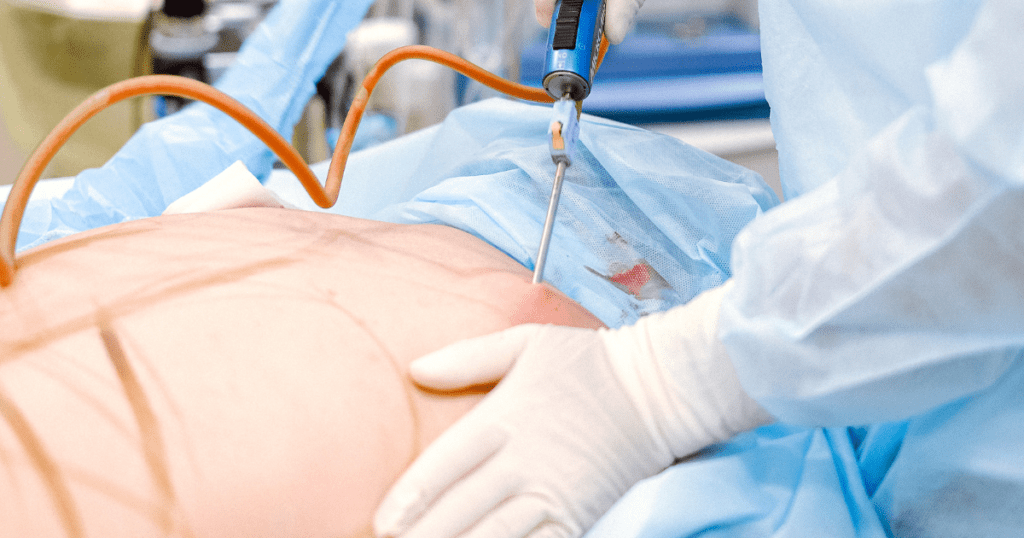
When it comes to reducing excess body fat, there are two main options: traditional liposuction and non-surgical liposuction. Traditional liposuction is a surgical procedure that involves making incisions in the skin and using suction to remove fat from the body. Non-surgical liposuction, on the other hand, is a minimally invasive procedure that uses various techniques to break down and remove fat cells without surgery.
Traditional liposuction is a more invasive procedure than non-surgical liposuction. It requires general anesthesia and involves making incisions in the skin. The surgeon then inserts a cannula (a thin tube) through the incisions and uses suction to remove the fat. While traditional liposuction is a highly effective procedure, it can be associated with longer recovery times and a higher risk of complications.
Non-surgical liposuction, on the other hand, is a minimally invasive procedure that does not require general anesthesia or incisions. Instead, it uses techniques such as laser, ultrasound, or radiofrequency to break down and remove fat cells. Non-surgical liposuction is generally associated with shorter recovery times and fewer complications than traditional liposuction.
While traditional liposuction is generally considered to be the more effective procedure, non-surgical liposuction can be a good option for patients who are not good candidates for surgery or who want to avoid the risks associated with surgery. It is also a good option for patients who have small, stubborn areas of fat that are resistant to diet and exercise.
In summary, traditional liposuction is an invasive surgical procedure that requires general anesthesia and incisions, while non-surgical liposuction is a minimally invasive procedure that does not require general anesthesia or incisions. While traditional liposuction is generally considered to be more effective, non-surgical liposuction can be a good option for patients who want to avoid the risks associated with surgery or who have small, stubborn areas of fat that are resistant to diet and exercise.
Potential Risks and Side Effects
As with any medical procedure, there are potential risks and side effects associated with non-surgical liposuction and fat transfer. It is essential to be aware of these risks before undergoing any treatment.
One common side effect of non-surgical liposuction treatments such as CoolSculpting is swelling and bruising in the treated area. This is a normal response to the treatment and usually subsides within a few days to a few weeks. Some people may also experience discomfort or soreness in the treated area, which can be managed with over-the-counter pain medication.
In rare cases, non-surgical liposuction treatments may cause redness, bleeding, or infection in the treated area. It is essential to follow all post-treatment instructions provided by the healthcare provider to minimize the risk of these complications.
Fat transfer procedures also carry some risks. One potential risk is infection at the site of the donor or recipient area. It is important to keep the treated area clean and follow all post-treatment instructions to minimize the risk of infection.
Another potential side effect of fat transfer is soreness or discomfort in the treated area. This is a normal response to the treatment and usually subsides within a few days to a few weeks. Some people may also experience swelling or bruising in the treated area, which can be managed with over-the-counter pain medication.
Overall, non-surgical liposuction and fat transfer procedures are generally safe and effective when performed by a qualified healthcare provider. However, it is important to be aware of the potential risks and side effects before undergoing any treatment. Patients should discuss any concerns or questions with their healthcare provider before proceeding with treatment.
Recovery and Downtime
Recovery and downtime are important factors to consider when undergoing non-surgical liposuction or fat transfer procedures. While these procedures are less invasive than traditional liposuction, they still require a certain amount of healing time.
After non-surgical liposuction, patients may experience some swelling, bruising, and discomfort in the treated area. However, recovery time is generally shorter than with traditional liposuction, with most patients able to return to work and normal activities within a few days to a week.
Compression garments may be recommended after the procedure to help reduce swelling and promote healing. Patients should also avoid strenuous exercise for a few days after the procedure to allow the body to heal.
Fat transfer procedures may require a longer recovery time, as the body needs time to reabsorb the transferred fat cells. Patients may experience swelling, bruising, and discomfort in both the donor and recipient areas.
It is essential to follow the surgeon’s post-operative instructions carefully to ensure proper healing and optimal results. Patients may need to wear compression garments and avoid strenuous exercise for several weeks after the procedure.
Overall, recovery and downtime for non-surgical liposuction and fat transfer procedures are generally shorter than with traditional liposuction. However, patients should still expect some discomfort and follow post-operative instructions carefully to ensure proper healing and optimal results.
Choosing the Right Provider
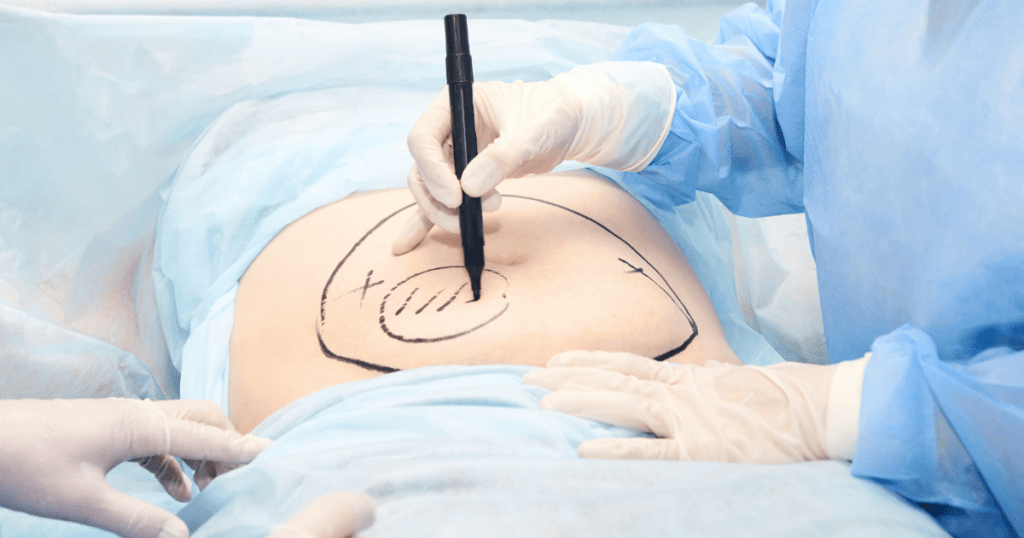
When it comes to non-surgical liposuction and fat transfer procedures, choosing the right provider is crucial. Patients should take the time to research potential providers and ensure that they have the proper education, training, and certification to perform the procedure safely and effectively.
One of the most important factors to consider when choosing a provider is their experience with non-surgical liposuction and fat transfer. Patients should look for providers who have extensive experience with these procedures and can provide before and after photos of their work.
It is also important to choose a provider who is a board-certified plastic surgeon or has extensive training in cosmetic surgery. Patients should verify their provider’s credentials and ensure that they are licensed to perform these procedures.
Patients can also look for providers who are members of the American Society of Plastic Surgeons (ASPS). The ASPS is a reputable organization that requires its members to meet strict standards for education, training, and certification.
During the consultation process, patients should ask their provider about their approach to non-surgical liposuction and fat transfer. They should feel comfortable asking questions and discussing their concerns with their provider.
In summary, choosing the right provider is crucial when it comes to non-surgical liposuction and fat transfer procedures. Patients should research potential providers, verify their credentials, and feel comfortable discussing their concerns during the consultation process.
Lifestyle Considerations Post-Procedure
After undergoing non-surgical liposuction or fat transfer, it is important to maintain a healthy lifestyle to ensure optimal results. While these procedures can help you achieve your desired body shape, they are not a substitute for a healthy diet and regular exercise.
Regular exercise is crucial to maintaining your new body shape. It is recommended to start with light exercise and gradually increase the intensity over time. This will help prevent injury and ensure that your body can handle the increased physical activity. Aerobic exercise, such as running or cycling, can help burn calories and reduce body fat. Strength training can also be beneficial, as it helps build muscle and improve overall body composition.
Diet is another important consideration post-procedure. A balanced diet that includes plenty of fruits, vegetables, lean proteins, and whole grains can help maintain your weight and body shape. It is important to avoid consuming too many calories, as this can lead to weight gain and undo the results of the procedure.
Smokers should be aware that smoking can harm the body’s ability to heal and recover post-procedure. Smoking can also increase the risk of complications. It is recommended to quit smoking at least two weeks before the procedure and to avoid smoking for several weeks after the procedure.
Overall, maintaining a healthy lifestyle is key to achieving and maintaining the results of non-surgical liposuction and fat transfer. Regular exercise, a balanced diet, and avoiding smoking can help ensure that you achieve the body shape you desire and maintain it over time.
Anew Laser
Looking to achieve a slimmer, more toned physique without undergoing surgery? Look no further than Anew Laser, your premier destination for non-surgical liposuction. Our state-of-the-art technology uses the latest in laser technology to safely and effectively target stubborn fat cells, leaving you with a more contoured, sculpted appearance.
Our experienced and knowledgeable staff are dedicated to providing you with the highest level of care and personalized attention, ensuring that you achieve the results you desire. So why wait? Contact Anew Laser today and start your journey towards a more confident, beautiful you!
Conclusion
Non-surgical liposuction and fat transfer procedures have become increasingly popular in recent years due to their ability to help individuals achieve their desired body shape without the need for invasive surgery. These procedures offer a range of benefits, including minimal downtime, fewer risks, and natural-looking results.
While non-surgical liposuction and fat transfer procedures are not a substitute for a healthy lifestyle, they can be an effective way to remove stubborn pockets of fat that are resistant to diet and exercise. These procedures are also a great option for individuals who want to enhance their curves or add volume to specific areas of the body.
It is important to note that non-surgical liposuction and fat transfer procedures are not suitable for everyone. Individuals with certain medical conditions or those who are pregnant or breastfeeding should consult with a qualified medical professional before undergoing any cosmetic procedure.
Overall, non-surgical liposuction and fat transfer procedures can be a safe and effective way to achieve the body you have always dreamed of. With the help of a skilled and experienced medical professional, you can determine whether these procedures are proper for you and take the first step toward achieving your aesthetic goals.